Blog
What Are the D1, D2, D3 and D4 Glue Classes? Choosing the Right Wood Glue

The D1, D2, D3 and D4 markings you see on wood glue packaging are durability classes defined by the European standard EN 204. They show how well a bonded joint will withstand moisture and water; the higher the number, the greater the resistance.
EN 204 glue classes
- D1: For dry interiors, where wood moisture rarely exceeds 15 per cent.
- D2: For interiors with occasional short exposure to water or condensation and occasional high humidity.
- D3: For interiors with frequent short exposure to water or heavy humidity, and for exterior uses not directly exposed to the weather.
- D4: For interiors with frequent, long exposure to water, and for exterior use when the surface is properly protected.
Which glue for which job?
- Wooden carcasses and solid-wood laminating: For dry interior work, filled D1 glues are sufficient and economical.
- Frame assembly and general furniture: D2 glues that dry to a clear film give a clean result.
- Door production and cold pressing: D3 glue should be chosen for areas exposed to moisture such as kitchens, bathrooms and entrance doors.
- Wet rooms and exteriors: Glues that reach D4 with a second component (hardener) give the highest water resistance.
Tips for a good bond
- Surfaces to be bonded must be clean, dust-free and dry.
- Join the parts before the glue's open time runs out.
- Adjust the pressing time to the room temperature; it takes longer in a cold room.
- Wood moisture of roughly 8–12 per cent improves bond quality.
Arvello Dekor adhesive products
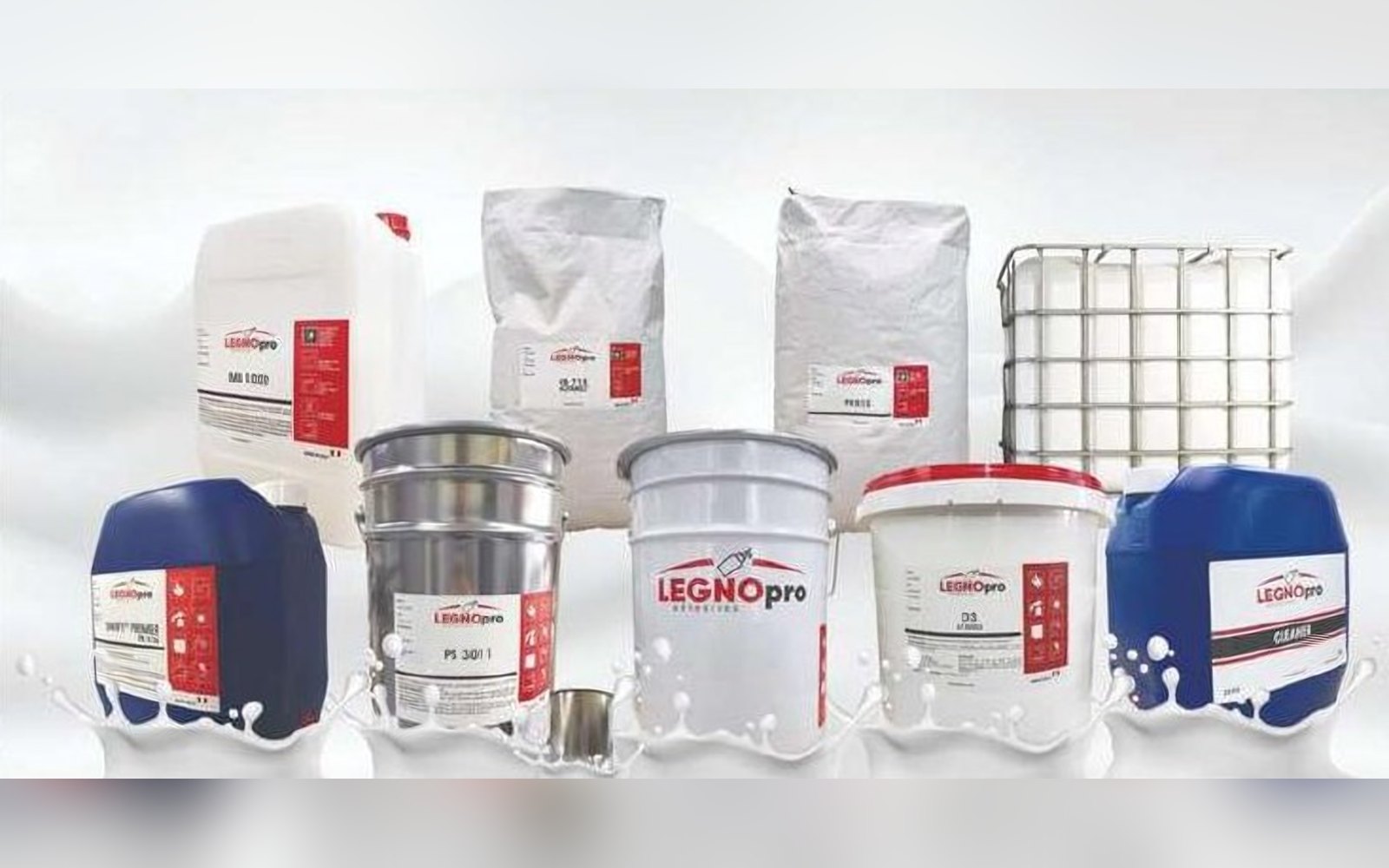
Our range includes adhesives for wood and furniture production, from D1 solid-wood glue to D3-D4 glue and from membrane press adhesive to edge-banding hotmelts.
