

Blog
Renewing Kitchen Cabinet Doors: A New Look Without Replacing the Whole Kitchen

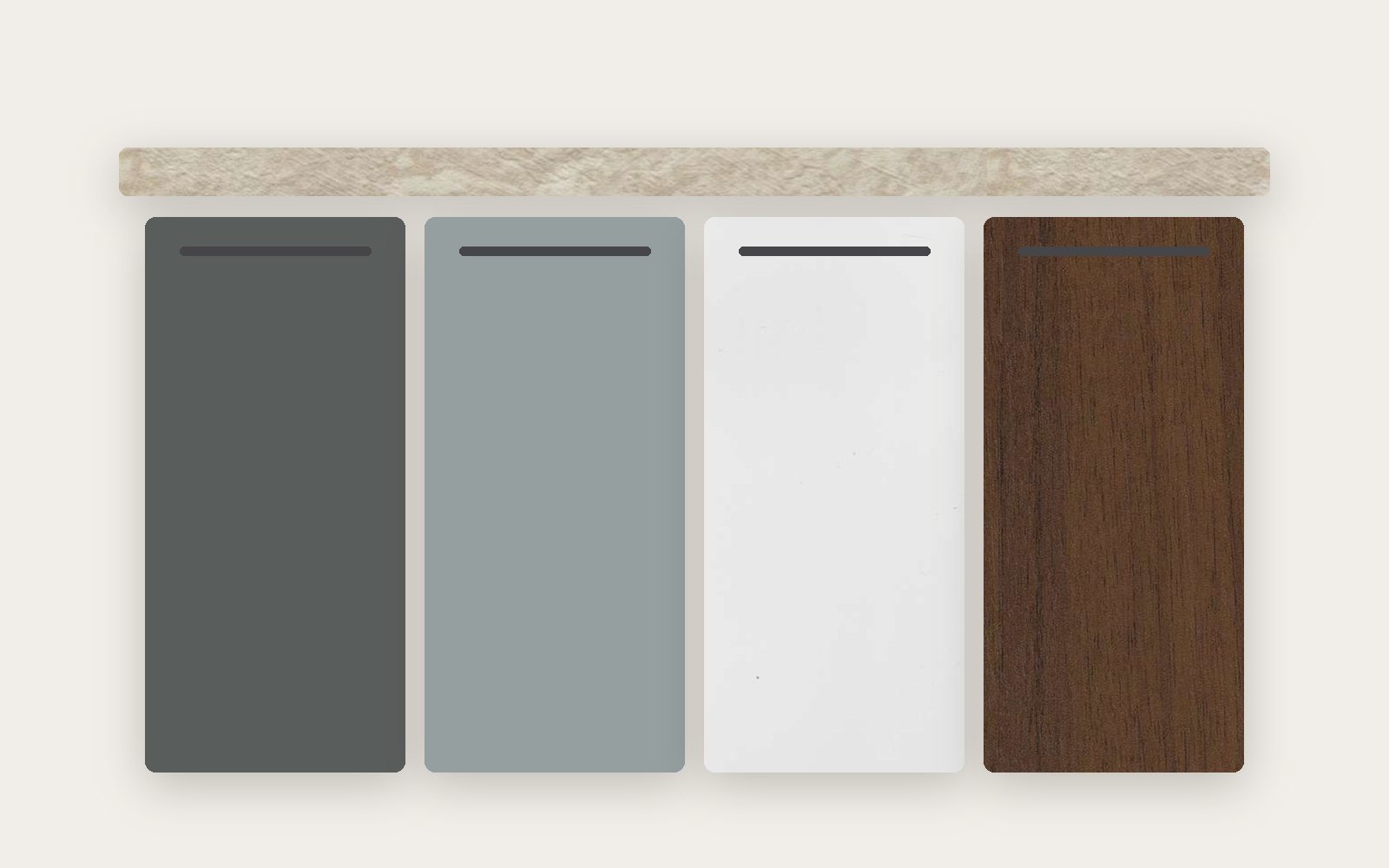
If your kitchen looks tired but the cabinet carcasses are still sound, there is no need to tear everything out and start again. The doors are what really define how a kitchen looks. Renewing only the doors gives you the feel of a brand-new kitchen in less time, with less dust and renovation, and for a much smaller budget.
Who is door renewal right for?
Door renewal makes sense for any kitchen whose carcasses are structurally sound. Before you decide, check the following points:
- Is there any swelling in the carcass? If the units under the sink or next to the dishwasher show water damage, those parts must be repaired first.
- Are the shelves and hinge holes solid? Crumbling holes where hinge screws no longer hold will stop the new doors from sitting properly too.
- Does the layout still work for you? If the position and size of the units still meet your needs, limiting the project to the doors is the most efficient route.
Renewing kitchen doors step by step
- Measure: The width and height of every door are measured to the millimetre. Also note the gaps between doors and the hinge type; it is safest to have the maker who will produce the doors take the measurements.
- Choose the door style: Flat doors give a clean, modern look, while CNC-routed profiled doors suit classic or country styles. Thanks to membrane pressing, PVC foil wraps even profiled doors in one piece without edge banding.
- Choose the pattern: Decide by looking at samples in your kitchen’s own light, side by side with the worktop and floor.
- Production: The doors are cut from MDF, routed and wrapped in PVC foil on a membrane press.
- Installation: The old doors come off and the new ones are hung on existing or new hinges, then adjusted. In most kitchens the job is finished within a day.
Which surface and pattern?
PVC foil-wrapped MDF is the most popular material for door renewal: it offers a wide choice of patterns, cleans easily with a damp cloth and wraps profiled designs seamlessly.
To compare different surfaces: PVC foil, lacquer and laminate compared
- For a calm, modern kitchen: Fingerprint-resistant Soft Touch colours such as Timeless Grey or Macaron Green.
- For a warm, natural kitchen: Wood patterns such as Italian Walnut or Golden Oak.
- For a light, airy kitchen: Satin White and light stone-look patterns.
Combining two patterns is also a strong option: a dark tone on base units and a light one on wall units makes the kitchen feel both airy and full of character.
Details not to overlook
- Hinges: Replacing worn hinges along with the doors keeps the new doors closing properly for years.
- Handles: Handles affect the look as much as the doors do. For a handleless look, consider a gola profile or push-to-open mechanisms.
- Heat protection: Using heat shield strips on the doors next to ovens and built-in appliances extends the life of the foil.
- Side panels and plinths: Renewing visible end panels and plinths in the same pattern completes the look.
Frequently asked questions
How long does door renewal take?
Lead time depends on the maker’s workload and the number of doors; installation itself is usually finished within a day, and you can keep using your kitchen straight away.
Can foil be stuck over the existing doors?
The PVC foil used in membrane pressing is applied with heat and pressure in a workshop. Decorative films stuck on site do not offer the same durability; for a lasting result, having the doors remade is recommended.
To keep your new doors easy to look after, read our PVC foil care guide.
For pattern samples and the nearest maker to you, get in touch with us.
